
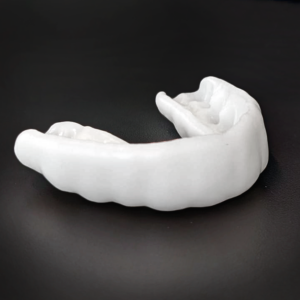
Why choosing a PMG sport mouthguard ?
 |
 |
 |
|
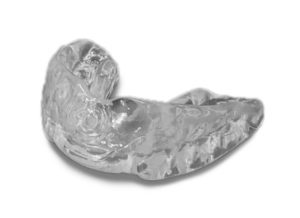
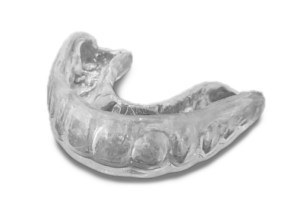
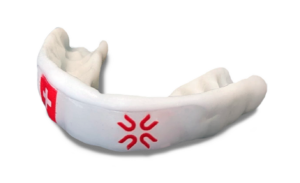
| Boil & bite | Dentist-made | Performance mouthguard | |
| Economy | Traditional custom | New generation custom | |
| Fit & comfort | |||
| Fit precision | |||
| Breathing & speech | |||
| Retention during play | Poor | Very good | Very good |
| Protection | |||
| Dental Protection | Basic | Basic | +50%* |
| Neck muscle activation | - | - | +50% vs no mouthguard* |
| Muscle strength gain | - | - | +15% vs no mouthguard* |
| Process & access | |||
| Clinic visit required | x | ✔ | x |
| Fitting method | Self-moulded in hot water | Physical dental impression at clinic | Digital 3D scan of teeth |
| Consistency in mouthguard replacement | Low | Moderate | Almost identical |
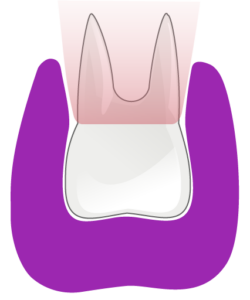
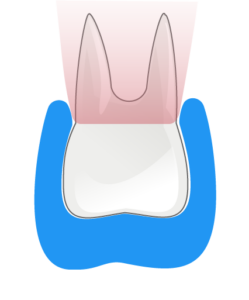
| Smart thickness distribution | |||
 |
 |
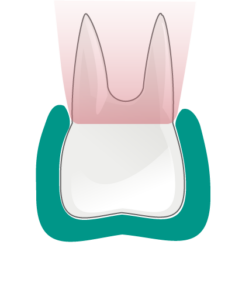 |
* Preliminary data from ongoing tests. Product not yet certified as a medical device. Results may evolve.
Dental protection
To evaluate dental protection, different mouthguards were compared with the same impact condition.
The following data refers to a specific individual. It shows that both the PMG Sport Classic and PMG Sport Pro significantly increase dental protection compared to existing mouthguards, with the PMG Sport Pro offering an additional 70% protection.
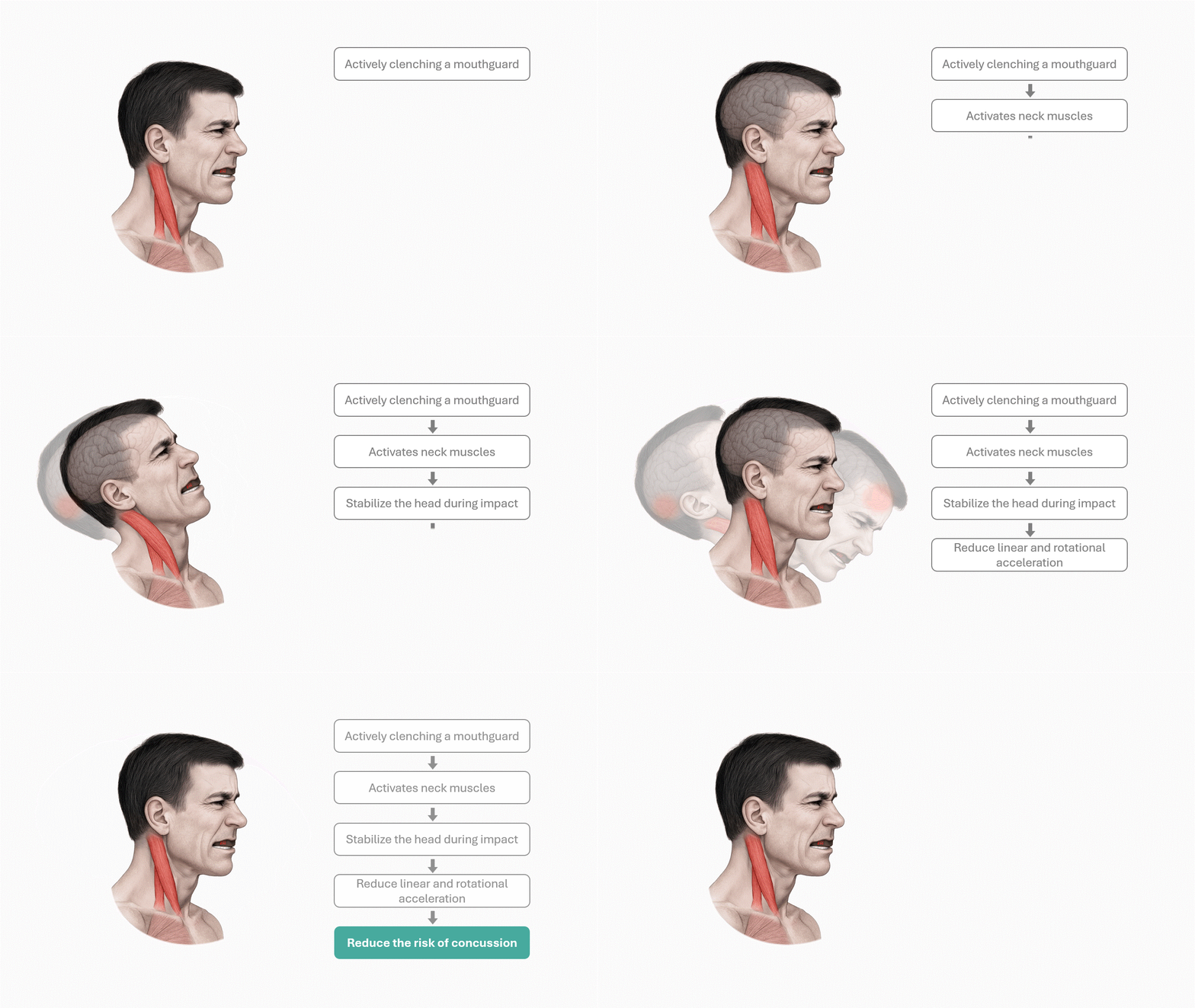
How clenching a mouthguard can reduce the risk of concussion
Muscle activation measurements
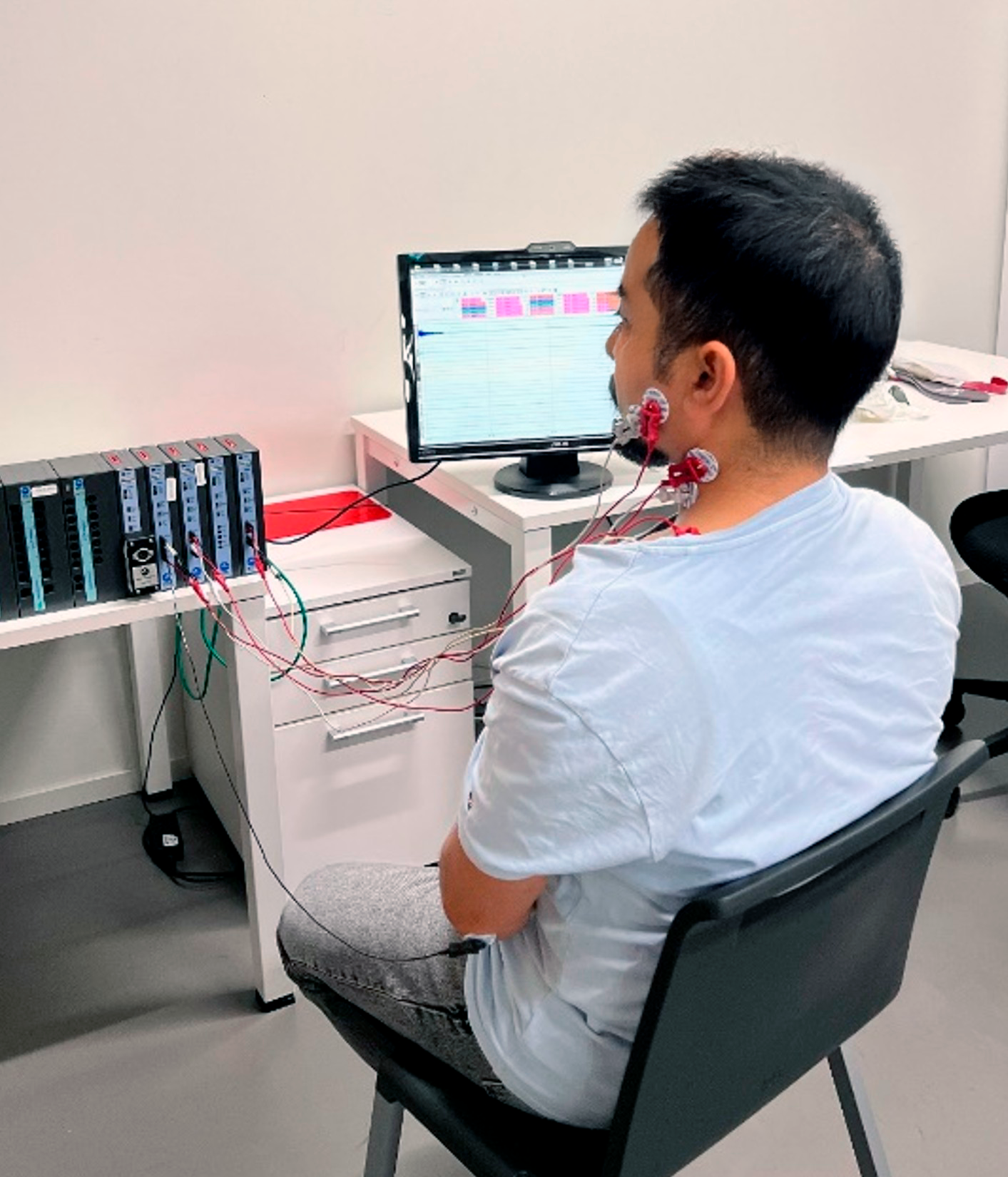
Muscle activation was measured via electromyography (EMG) using electrodes placed on the masseter and sternocleidomastoid muscles. Activation was recorded while participants clenched their teeth as hard as possible, both with and without a mouthguard.
The study, conducted on over 30 participants, demonstrates that wearing a PMG mouthguard increases masseter muscle activation by more than 50% and sternocleidomastoid activation by 17%. This significant increase can substantially help reduce the risk of concussion.