

CONCUSSION BASIC
The injury you feel before you can see it.
A concussion doesn’t always come with a bruise, a fracture, or a moment of unconsciousness. It changes how the brain works, brieflymakes the difference in the first hour.
What is a concussion
A concussion is a mild traumatic brain injury caused by a direct blow to the head, or by a hit to the body that transmits force to the head with enough energy to make the brain move rapidly inside the skull.
That movement briefly disrupts how brain cells communicate. It’s a functional injury, not usually a structural one — which is why a standard CT or MRI scan often looks completely normal even when someone is clearly concussed.
Loss of consciousness happens in only a small minority of cases. Most concussions involve no blackout at all, which is exactly why they’re so often missed or shrugged off.
Because the brain coordinates vision, balance, coordination, thinking, and mood all at once, a concussion rarely shows up as a single symptom — it’s usually a mix, drawn from several of those systems at the same time.
Concussion causes
- A direct impact to the head or face
- A blow to the neck
- A hit elsewhere on the body that whips the head
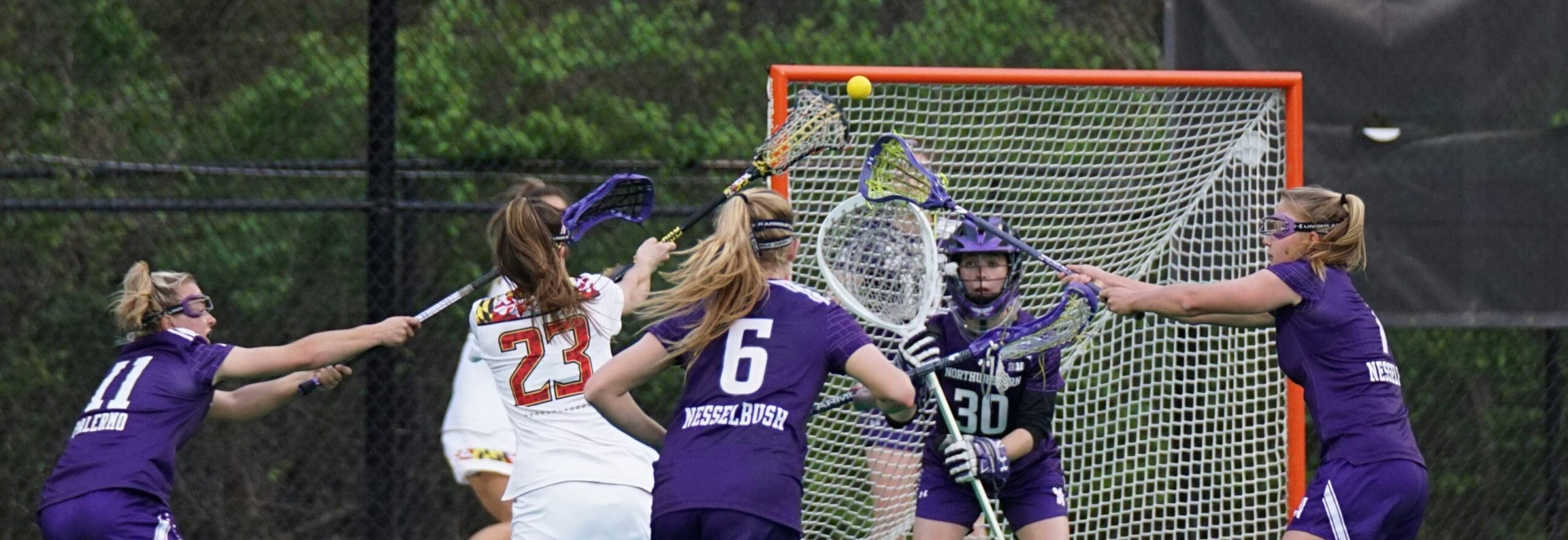
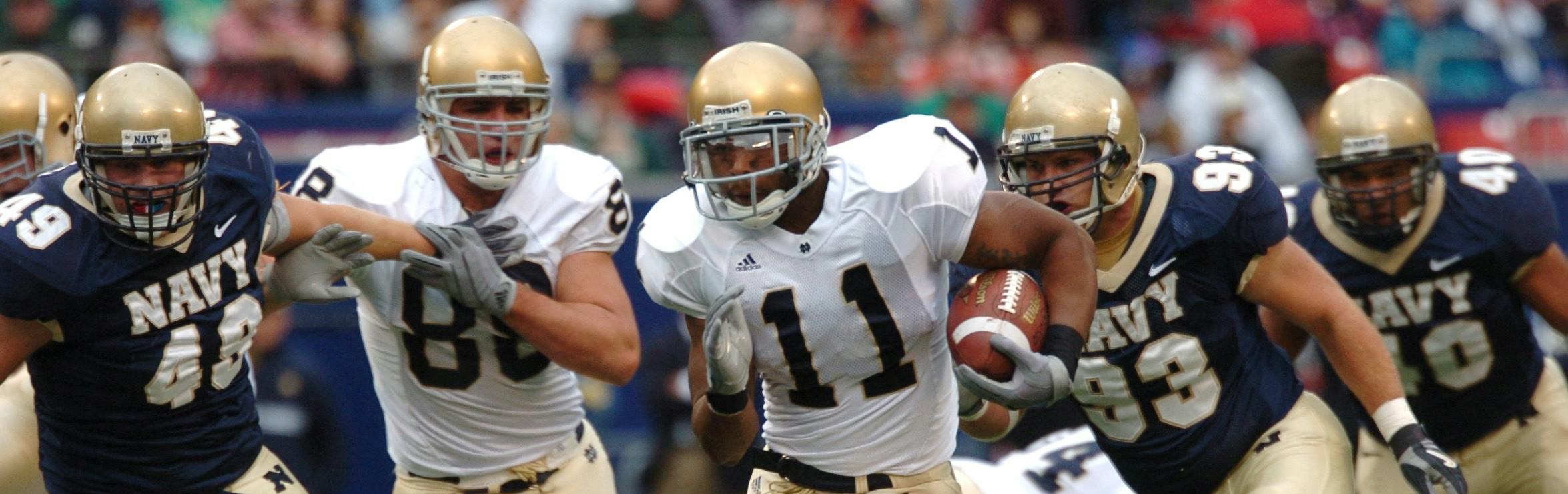
- A fall, a collision, or rapid deceleration — not only sport
Symptoms can appear instantly, or build gradually over the following 24–48 hours.
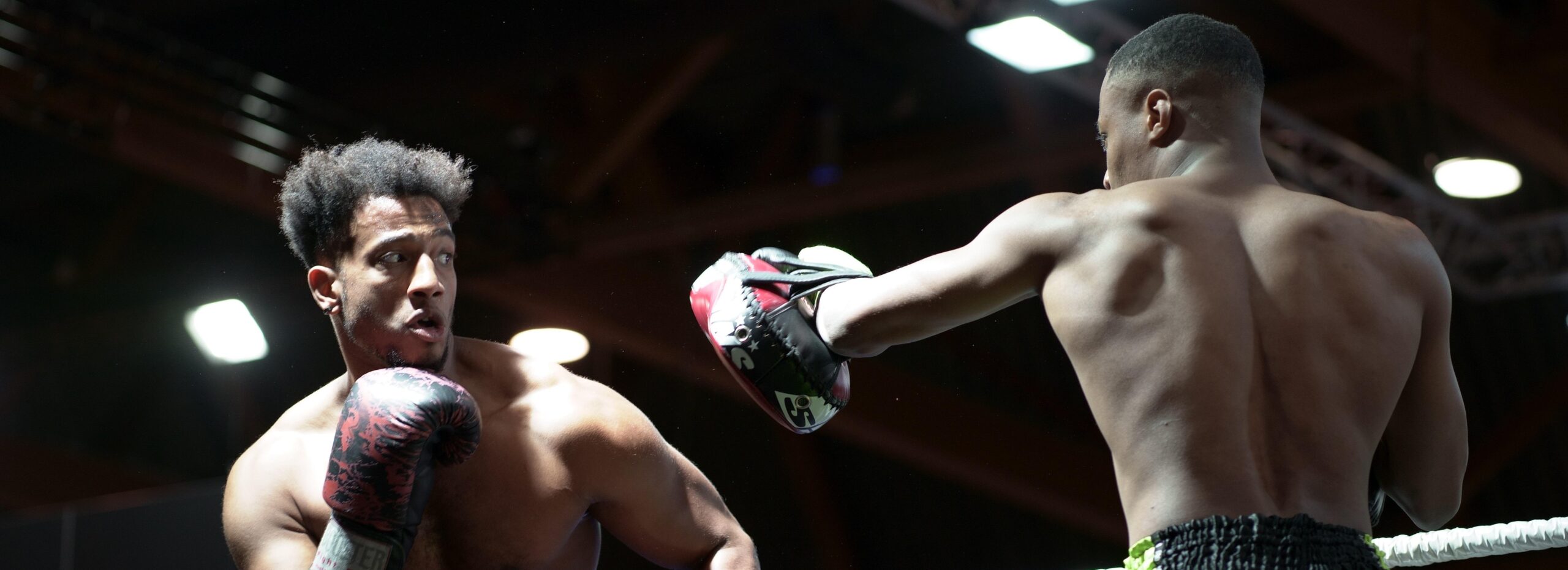
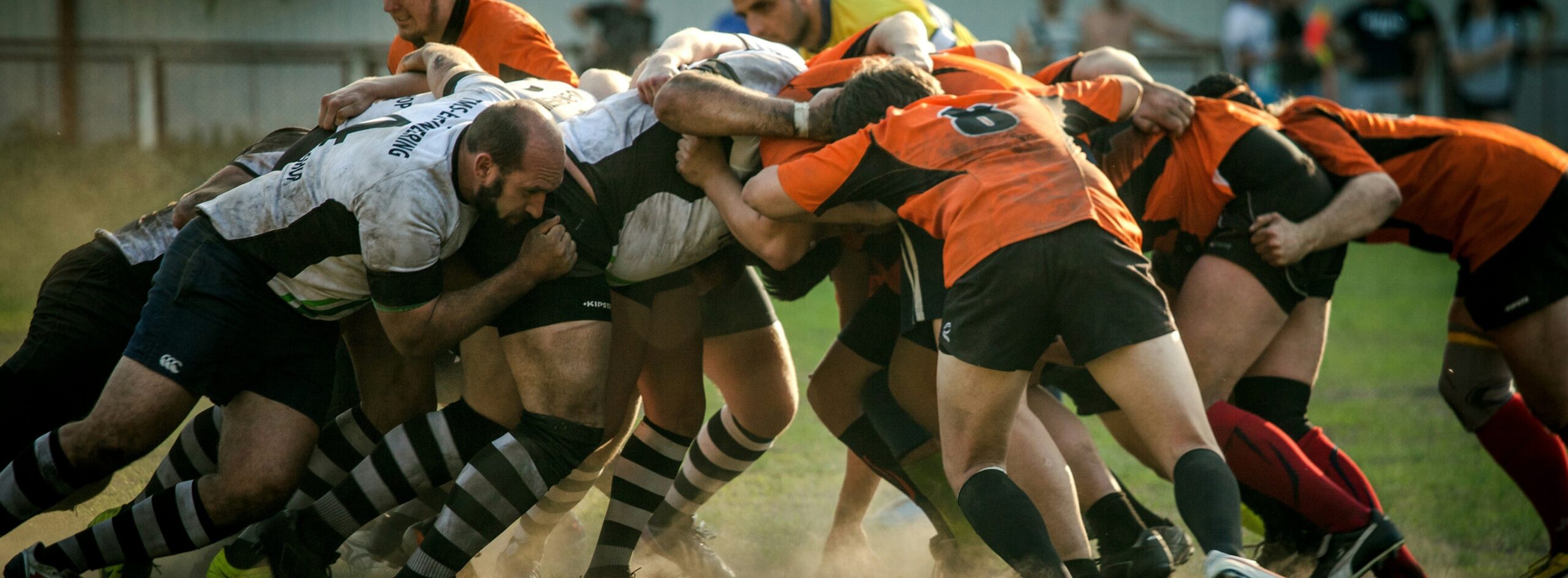

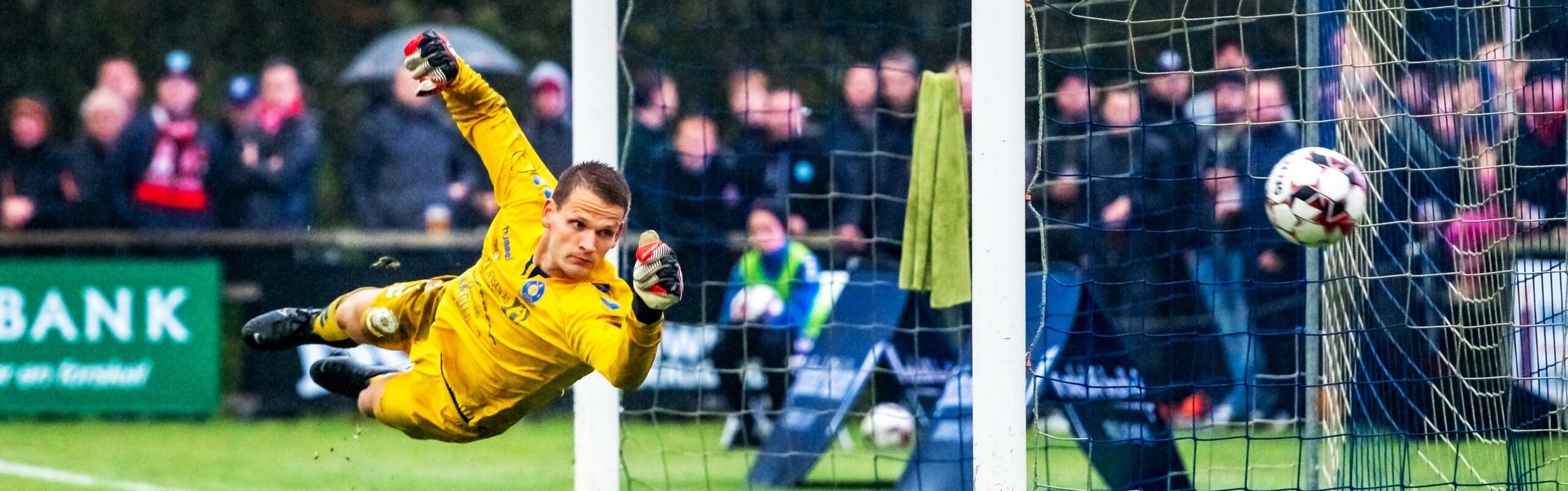

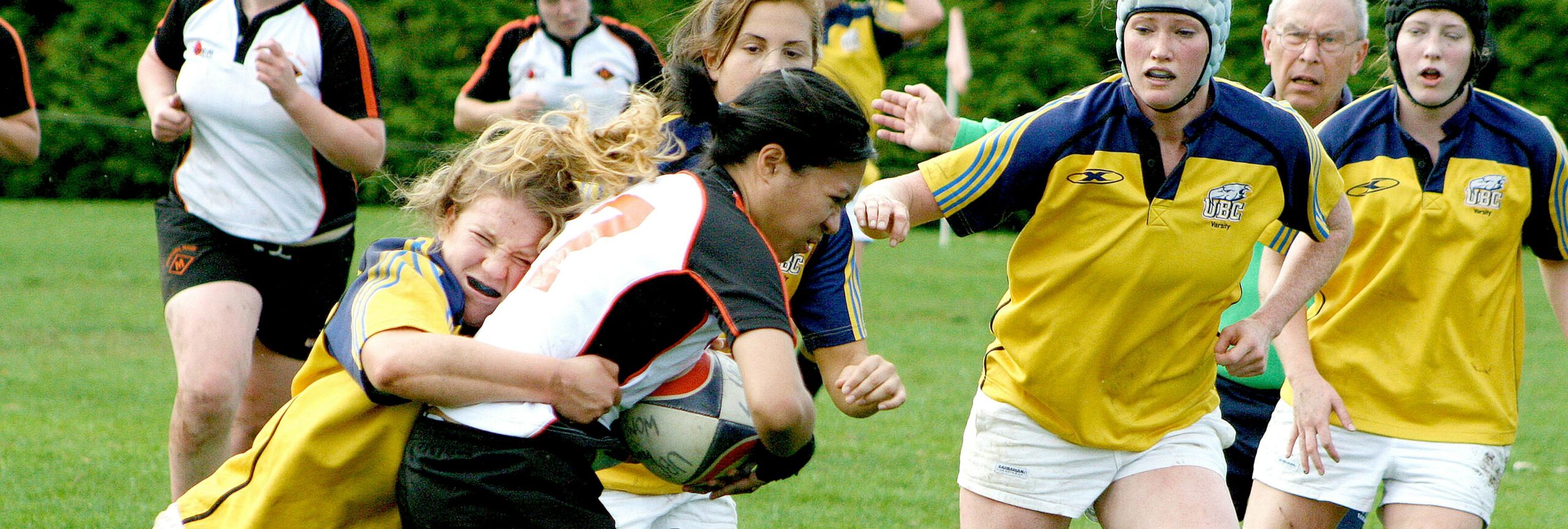


It’s far more common than it looks…
Concussion is under-reported almost everywhere it’s studied — athletes minimize symptoms, coaches miss the moment, and mild cases go unrecognized. The scale below reflects the best available estimates, on the conservative side.

%
of contact-sport athletes will sustain a concussion in a given season

%
of all sports-related injuries are concussions

%
of concussions may go unrecognized by medical professionals
WORTH KNOWING
Why it can look different in female athletes
At comparable levels of play, most research points the same way: female athletes sustain concussions more often than male athletes in equivalent sports, and their symptoms tend to last longer. A few factors help explain why.
Neck strength & biomechanics
Lower average neck-muscle strength means the head is less well stabilized on impact, which can translate into a sharper head acceleration — and more force reaching the brain.
Hormonal timing
A concussion sustained in the late luteal phase — when progesterone is dropping — may come with more intense symptoms and a longer recovery, though this link is still being confirmed.
Cycle changes afterward
About one in four affected athletes notices at least two unusual cycles in the months after a concussion — worth tracking and mentioning to a doctor, though it isn’t proof of poor recovery on its own.
Because of this, seeing a doctor promptly matters even more for female athletes — and tracking symptoms alongside the menstrual cycle can help a clinician tell normal fluctuation from a sign that recovery needs more support.
Typical symptoms
Signs fall into four groups. A person doesn’t need all of them — one or two, appearing after any blow to the head or body, is enough to act.
PHYSICAL
Body
- Headache or pressure in the head
- Dizziness or poor balance
- Nausea or vomiting
- Blurred or double vision
- Sensitivity to light or noise
COGNITIVE
Thinking
- Feeling foggy or slowed down
- Difficulty concentrating
- Confusion about the situation
- Trouble remembering the event
EMOTIONAL
Mood
- Irritability or short temper
- Unusual sadness
- Nervousness or being on edge
- Feeling “not quite themselves”
SLEEP
Rest
- Drowsiness
- Trouble falling asleep
- Sleeping much more or less than usual
For more information, please refer to:
Recognizing a concussion and first steps :
Sport Concussion Assessment Tool 6 (SCAT6®) — Concussion in Sport Group.
General guidance for young athletes :
Sport et commotion cérébrale — CHUV, Unité sport & santé des jeunes.
Prevention and return to sport :
Concussion in female athletes — Swiss Olympic & BrainCare.